
The Splinternet
Digital Borders
The Internet is seen as ubiquitous, but recent trends have shown the cracks in its surface, and the emergence of the ‘Splinternet’.
“…we’re seeing the web turn into a collection of digital islands shaped by borders, culture, laws, and power struggles.”- Shaikh (2025)
Is this fixable? Or is the Splinternet here to stay?
THE INTERNETAs a decentralised global network of networks, the internet links various computing devices around the world.
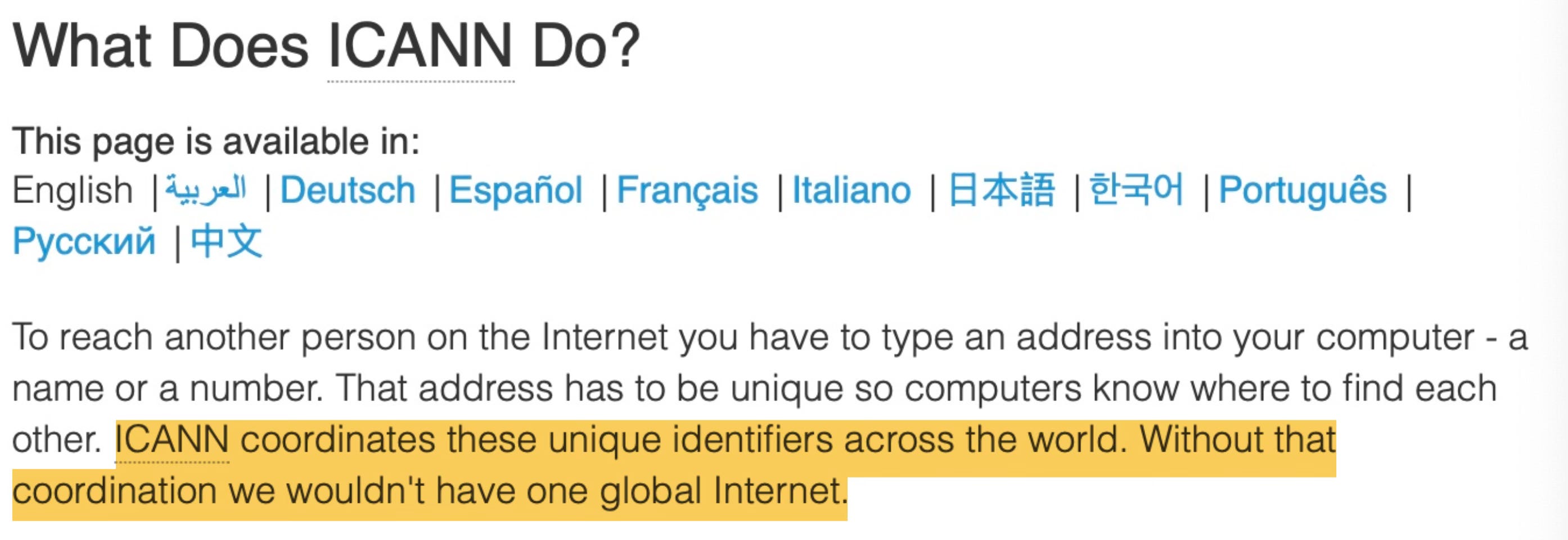
There are many factors that contribute to its borderless nature, such as ICANN (Internet Corporation for Assigned Names and Numbers), the nonprofit that helps keep it interoperable.
Due to its coordination, access to the internet gives you predictable results. For instance, typing ‘instagram.com’ takes you to the same site, no matter where you are.
It is easy to take for granted the internet’s ability to bring together people, ideas, and opportunities across multiple countries, but now, times are changing.
Google Maps changes borders based on where it’s viewed from, geolocation guides users to country-specific pages, and software is often customised, like Netflix’s content library.
We are seeing the Splinternet in action.
break or cause to break into small sharp fragments.
(of a group or organisation) separate into smaller units, typically as a result of a disagreement.
“The internet is splintering into factions.”
SPLINTERING The Splinternet is when the global internet is fragmented into regional or national networks governed by different rules. This has also been referred to as ‘Cyberbalkanization’.
‘Cyber’ refers to the internet, and
‘Balkanization’ is a term coined at the end of World War I to depict the ethnic and political splintering that happened in the Balkans after the dissolution of the Ottoman Empire.
Two countries are setting the tone — China and Russia.
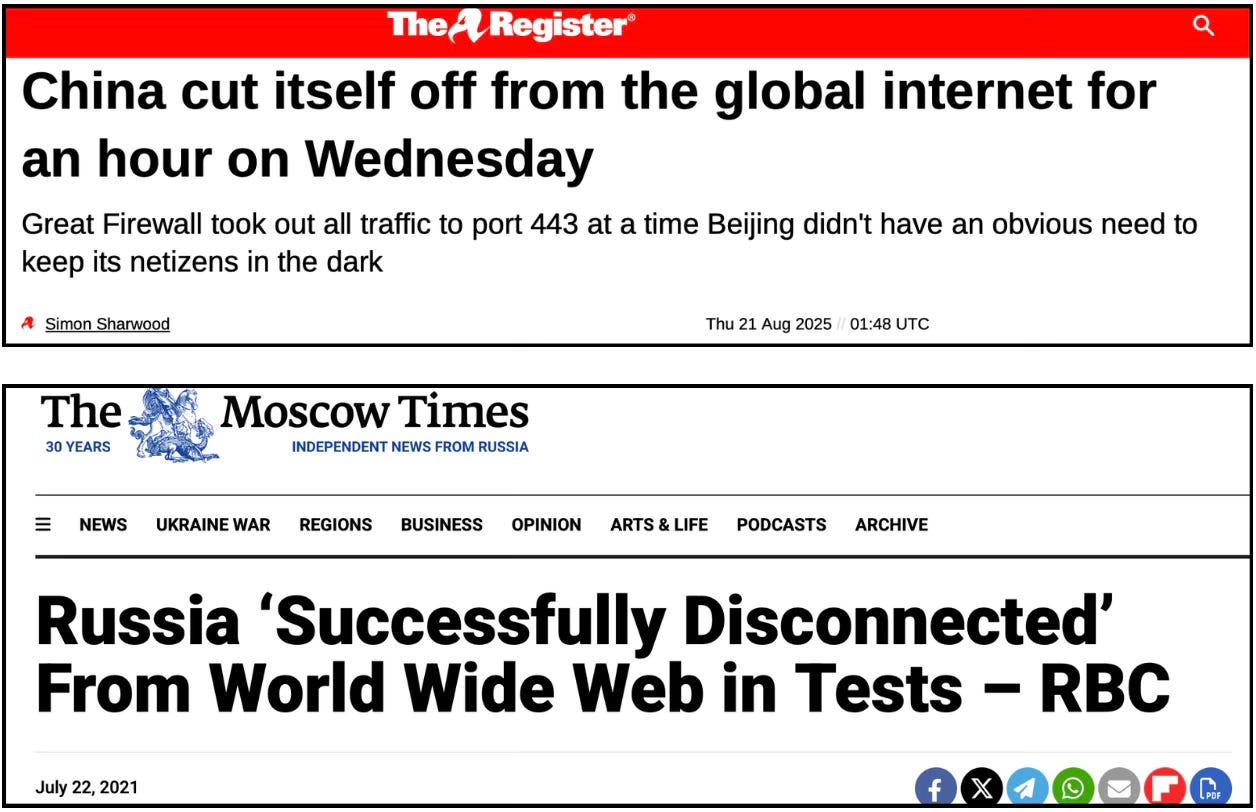
National security concerns and data sovereignty requirements play a major role.
As per Hoffmann et al. (2020), the Chinese government claims that the current governance structure fails to address concerns important to non-Western and developing nations; Russia also advocates for centralised control, and its data localisation law requires all data operators to store and process the personal data of citizens on databases located within the country.
Internet users rarely miss the forbidden platforms because a counterpart already exists. Google is easily replaced by Baidu in China and Yandex in Russia.
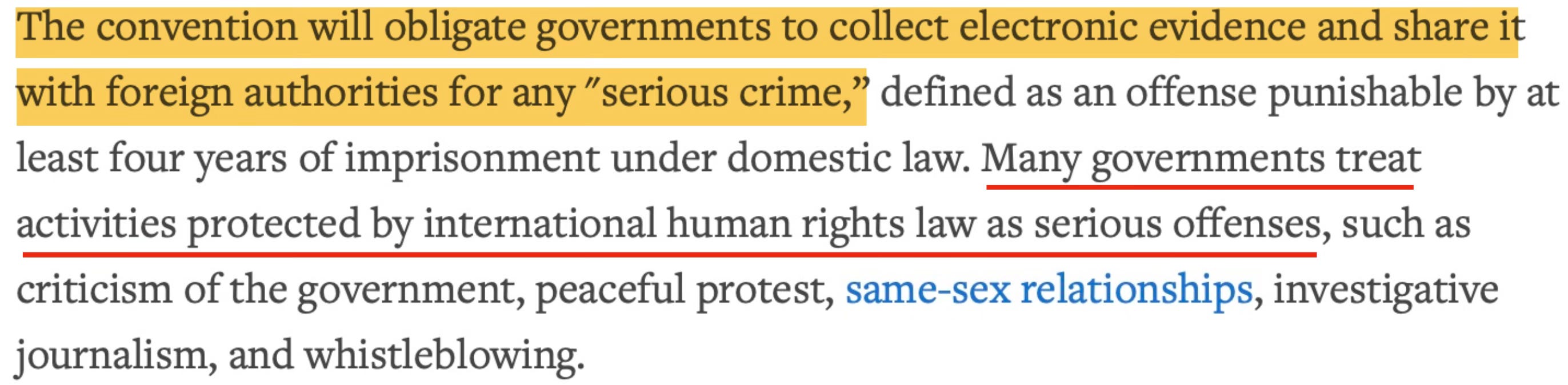
Next month, the United Nations Convention against Cybercrime (proposed by Russia in 2017) will have its signing ceremony. Its purpose is to prevent and combat cybercrime, but it has been criticised for not adequately protecting human rights and leaving these safeguards to the discretion of domestic law. This can fuel further splintering.
Authoritarian regimes view the internet as a threat and subject it to surveillance and censorship—these governments not only control information within their physical borders, but also block access to certain servers in other countries.
Let us understand this further.
SHUTDOWNS Gregorio and Stremlau (2020) detail how internet shutdowns have largely been without due process or oversight, and are likely tools for ‘…governments that wish to censor material in their own political interests’. On the other hand, social media companies are slow to control the spread of fake news or incitement to violence on their platforms, so authorities often attempt to restore peace by shutting down the entire network or specific websites.
Techniques such as geoblocking restrict access to internet content based on where the user is located. According to Yu (2019), this denies the availability of material ‘…that is important for political, social, cultural, or educational purposes.’
Being siloed in a parallel digital ecosystem can lead to tremendous unrest.
Recently, the violent protests in Nepal were partly triggered by the nationwide block of over two dozen social media platforms that had not complied with government registration requirements. In the weeks prior, many young people were using social media to expose corruption, so the ban fuelled widespread agitation that led to destruction and casualties.
“…region-based restrictions…do not sit well with today’s rapidly globalising world...”- Yu (2012)
Moving forward, cyber sovereignty must be reconciled with the freedom of speech and expression.
FUTURE FOCUS Expert suggestions on dealing with the Splinternet1:
Stakeholders should collaborate and advocate for a global, free and open internet.
Virtual Private Networks (VPNs) have long allowed users to circumvent geographical restrictions. Nonetheless, some VPNs have major security flaws and privacy concerns, so cautious use must be encouraged.
Censorship-resilient technology should be promoted, like end-to-end message encryption.
Concluding wordsWhen asked about constant connectivity, Stephen Hawking replied, “We are all now connected by the Internet, like neurons in a giant brain.”
Splinternet or not, we must stay connected to make the world prosper.
Great read 🙌🏾